


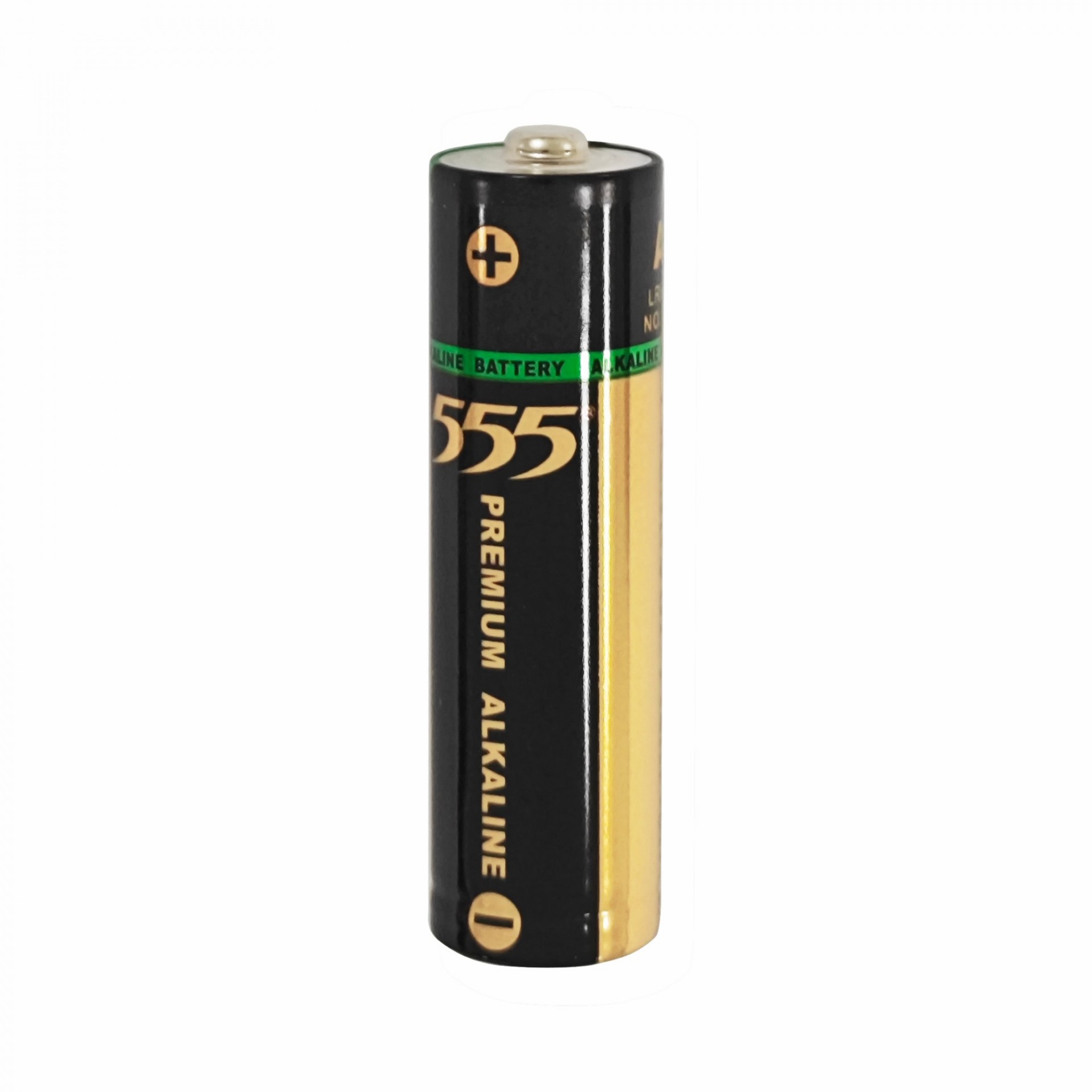
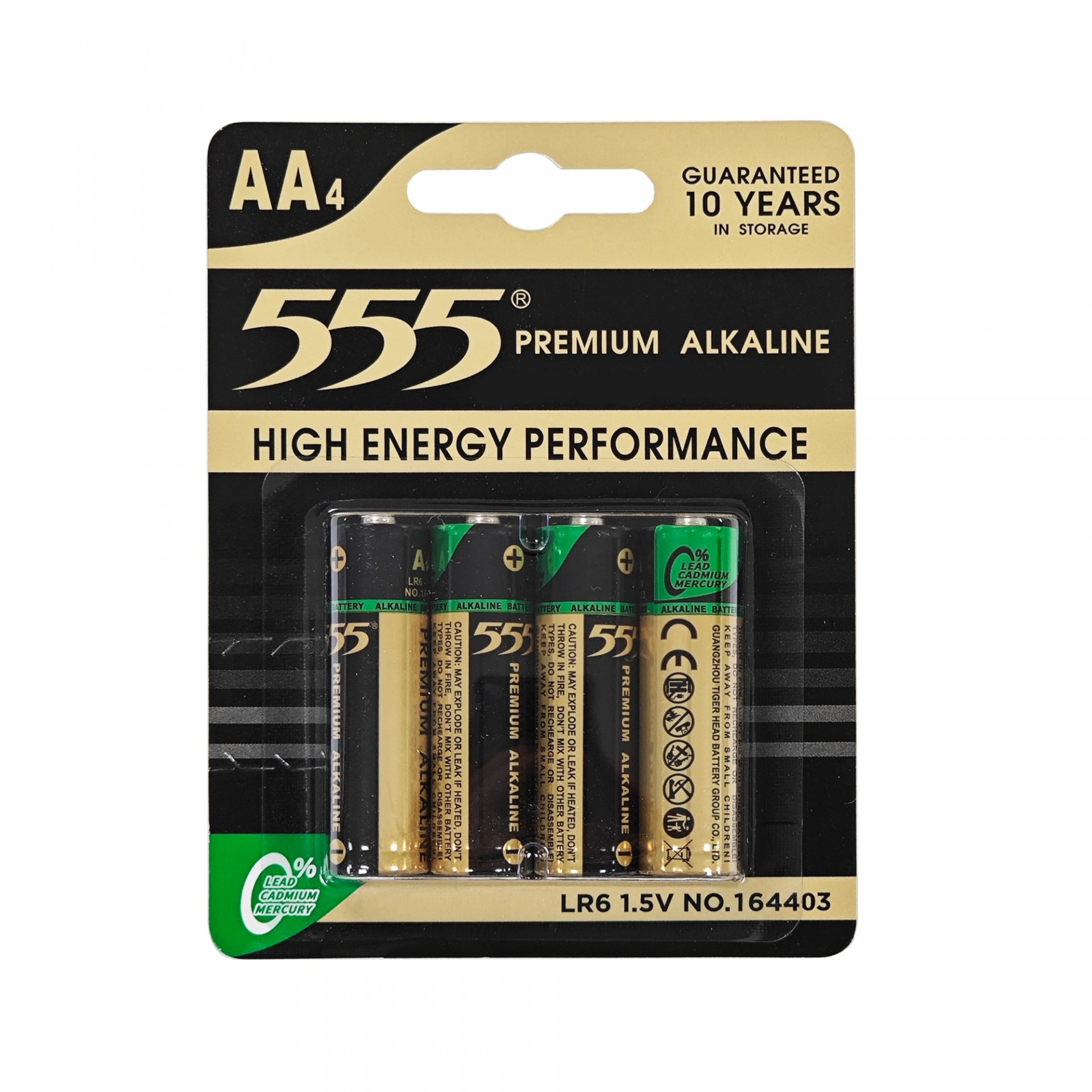
555 AA LR6 AM3 1.5V Alkaline Battery
- product description
- More
- Since the battery is not designed to be charged, there are risks of electrolyte leakage or causing damage to the device if the battery is charged.
- The battery shall be installed with its '+' and '-' polarity in correct position, otherwise may cause the battery to be charged or over-discharged.
- Short-circuiting, heating, disposing of in fire and disassembling the battery are prohibited.
- Battery cannot be forced discharge, which leads to excess internal gas generation and may result in bulging, leakage and explosion.
- New and used batteries cannot be mixed at the same time; when replacing batteries, it is recommended to replac all with the same brand type.
- Exhausted batteries should be removed from compartment to prevent over-discharge, which causes leakage and damage to the device.
- Direct soldering is not allowed, which will damage the battery.
- Keep the battery out of the reach of children to prevent swallowing; in case of accident should contact physician at once.
- The battery should not be dismantled and deformed.
- Do not store or carry batteries with metal objects (keys, coins, etc.) to avoid short-circuit.
- Do not immerse batteries in water or expose them to high humidity.
- Do not attempt to modify or solder the battery directly.
- If battery leakage occurs, avoid contact with skin and eyes. In case of contact, flush with plenty of water and seek medical advice immediately.
- If battery emits an odor, fever, discoloration, deformation or any abnormal phenomena appear in the process of use/storage, remove the battery immediately from the device and dispose of the battery.
- Do not mix batteries of different types, brands, or significantly different capacities.
- Avoid exposing batteries to extreme heat (e.g., direct sunlight, radiators).
- Skin contact: Remove contaminated clothing and jewellery. Immediately flush affected skin with plenty of running water for at least 15 minutes. If irritation, redness, pain or burns develop, seek medical attention promptly.
- Eye contact: Immediately rinse the eye with plenty of lukewarm, gently flowing water for at least 15-20 minutes, holding the eyelids open. Seek immediate medical attention from an ophthalmologist.
- Ingestion: If the person is conscious and able to swallow, give small sips of water or milk to dilute, and rinse the mouth. Seek immediate medical attention and contact a poison control centre or call emergency services. Keep the battery (or its packaging) available for medical staff. Note: battery ingestion is a medical emergency; if a button/coin cell is involved, go to an emergency department immediately.
- Inhalation (if exposed to fumes from a burning battery): Move the person to fresh air. If breathing is difficult, administer oxygen and seek immediate medical attention.
General Information
Category:
Non-rechargeable portable batteries
Model:
AA LR6 AM3
Product Name:
Alkaline Battery LR6
Nominal Voltage:
1.5V
Trade mark:
555 or other OEM trade mark
Manufacture date:
The date of manufacture is indicated by a 6-digit numeric code at the bottom of each battery. The first two digits represent calendar month, the last 4 digits represent calendar year.(MM-YYYY)
Shelf Life:
10 years under normal storage conditions
The chemistry of batteries:
L:Zn-MnO2
Critical raw materials (>0.1%w/w):
Manganese,Natural graphite,Copper
Country of origin:
China
Manufacture
Manufacturer:
Guangzhou Tiger Head Battery Group Co., Ltd.
Manufacturer address:
No.132 North, Gongye Road, Haizhu District, Guangzhou, China
Company Website:
Post Code:
510250
E-mail:
export@555bf.com.cn
European Authorized Representative
Representative:
Address:
Contact Person:
Postal Code:
Email:
Tel:
Product Specification
Minimum average duration:
7.7h (Applications:Toy 3.9Ω 1h/d EV=0.8V)
Capacity:
3200mAh (10mA, 24 h/d, EV=0.8V)
Approx. weight:
23.5g (per battery)
Type:
Aluminum Foil
Discharge environmental conditions:
Temperature: 20±2℃ humidity: 35%~75%RH
The discharge performance is applicable to the battery during the initial period.
Approx. weight only for reference.
Hazardous Substances Statement
This product complies with the heavy metal concentration limits set out in Annex I of EU Regulation (EU) 2023/1542:
Lead (Pb): ≤ 0.01% by weight (portable batteries;not apply to portable zinc-air button cells until 18 August 2028)
This product meets the applicable restriction requirements specified in Annex XVII of REACH Regulation (EC) No 1907/2006.
No substances included in the REACH Candidate List of Substances of Very High Concern (SVHC) are contained in this product at concentrations exceeding 0.1% weight by weight.
Usable extinguishing agent:
Dry powder extinguisher, carbon dioxide extinguisher, sand or use fire-fighting measures suitable for the surrounding environment.
Warning
KEEP OUT OF REACH OF CHILDREN
Swallowing can lead to chemical burns, perforation of soft tissue, and death. Severe burns can occur within 2 hours of ingestion. Seek medical attention immediately.
Caution
First aid measures
Information on Prevention and Management of Waste Batteries
In accordance with the requirements of the EU Battery Directive and the Waste framework Directive, for primary (nonrechargeable) batteries supplied within the territory of an EU Member State, producers or their authorised producer responsibility organisations shall make the following information available to endusers and distributors:
(a) Role of endusers in waste prevention
Follow the device manufacturer’s instructions for correct battery insertion and usage. Avoid storing or using batteries in extreme temperatures or high humidity. Remove batteries from devices that will not be used for an extended period to prevent leakage or unnecessary discharge. Primary batteries are not rechargeable; do not attempt to recharge them, as this may cause leakage or rupture. When the battery is depleted, encourage users to bring it to designated collection points to enable potential material recovery or recycling.
(b) Role of endusers in separate collection (Article 64)
Endusers are obliged to separate spent batteries from other household waste. Do not discard batteries in unsorted municipal waste or litter them. Separate collection facilitates proper treatment and resource recovery (e.g., zinc, manganese, steel, lithium), aligning with EU environmental objectives.
(c) Separate collection, takeback and collection points, preparation for reuse, repurposing and treatment
Spent batteries can be returned via: collection bins at retail points; municipal recycling centres; designated battery collection points. Collected batteries will undergo sorting, pretreatment (including neutralisation of electrolyte), and material recycling. Reuse or repurposing is generally not applicable for primary batteries, but material recovery is maximised.
(d) Safety instructions to handle waste batteries
Avoid storing waste batteries together with metal objects to prevent shortcircuiting. If a battery shows signs of leakage (e.g., white or crystalline residue), deformation, or overheating, handle it with protective gloves and store it separately in a plastic bag. Never dispose of batteries in fire, as this may cause explosion or release of hazardous fumes. Keep batteries out of reach of children. If swallowed, seek medical attention immediately.
(e) Meaning of labels and symbols (Article 13)
 |
Crossed-out wheeled bin symbol: Indicates that the battery should not be disposed of with unsorted household waste; it must be separately collected. |
 |
CE marking: Indicates that the battery (or the device it is intended for) complies with applicable EU health, safety, and environmental protection requirements. |
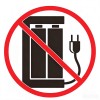 |
Do not recharge symbol: This battery is non-rechargeable; attempting to recharge may cause leakage or explosion. |
 |
Keep out of reach of children symbol: A warning to prevent ingestion or mishandling, especially for small children. |
(f) Impact of substances on environment and human health
Primary batteries contain various materials (zinc, manganese, lithium, etc.). If improperly discarded (e.g., landfilled or incinerated), the electrolyte can leak and cause soil and water contamination; heavy metals may accumulate in the environment. Swallowing a battery can cause injury; batteries should be kept away from children. Inappropriate disposal increases environmental burdens, wastes recoverable materials, and may lead to fires or injuries during waste handling. Leaking batteries can cause chemical burns; always handle with care. This information is provided to support endusers in responsible battery use and disposal, in line with EU waste legislation.
This battery complies with the requirements of Regulation (EU) 2023/1542, IEC 60086-1:2021, IEC 60086-2:2021, IEC 60086-5:2021 and the REACH Regulation.
The content on this page covers battery sustainability, safety, labelling and information requirements as specified under Regulation (EU) 2023/1542.Disclaimer: The above information is provided by Hi-Watt based on current product characteristics and EU regulatory requirements. Such information may be subject to change due to revisions of legal requirements or modifications to product specifications. Hi-Watt reserves the right to revise the content at any time without prior notice.
Disclaimer: The above information is provided by Hi-Watt based on current product characteristics and EU regulatory requirements. Such information may be subject to change due to revisions of legal requirements or modifications to product specifications. Tiger Head reserves the right to revise the content at any time without prior notice.
Related Documents
EU DECLARATION OF ConFORMITY (alkaline zinc-manganese) 260915
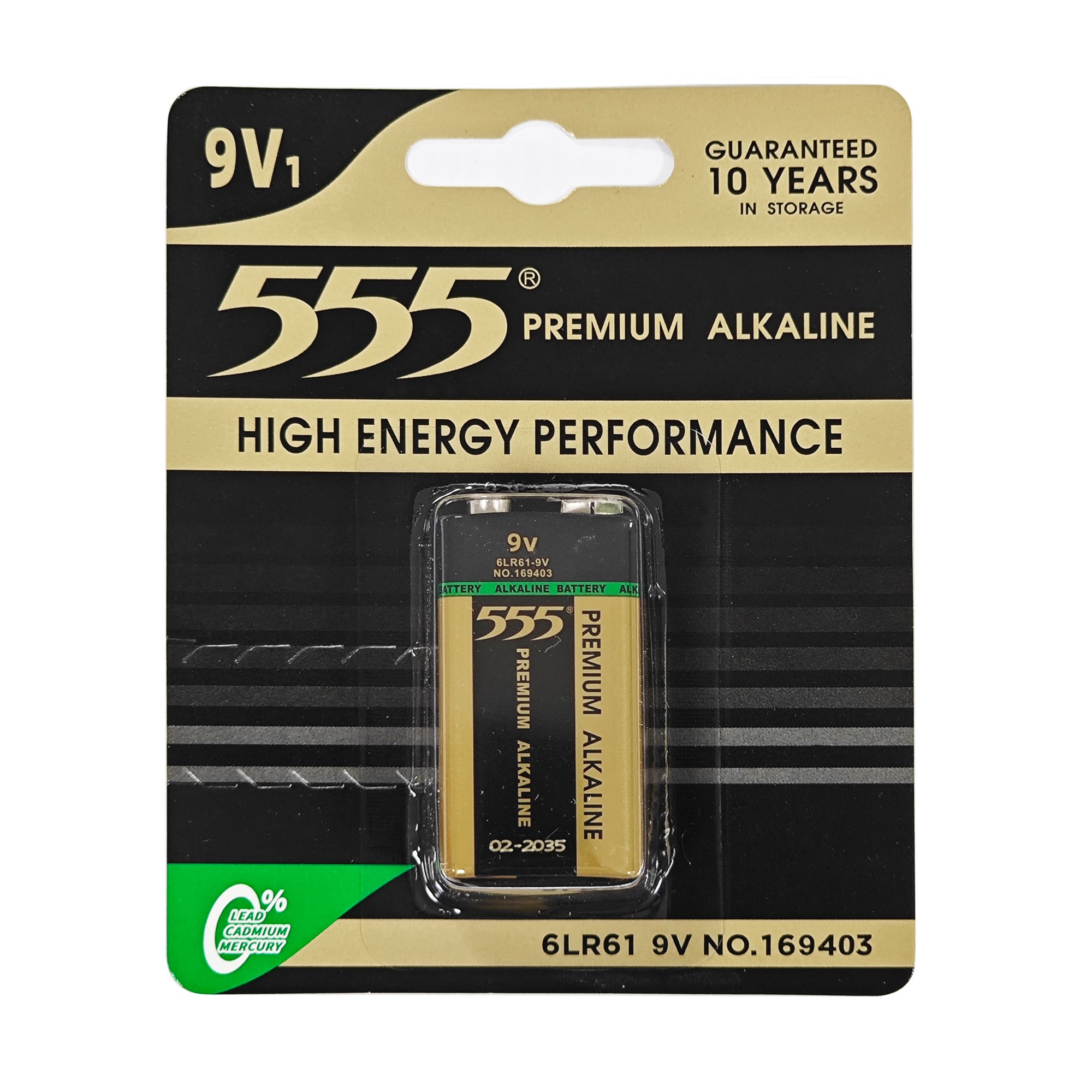
555 9V 6LR61 Alkaline...
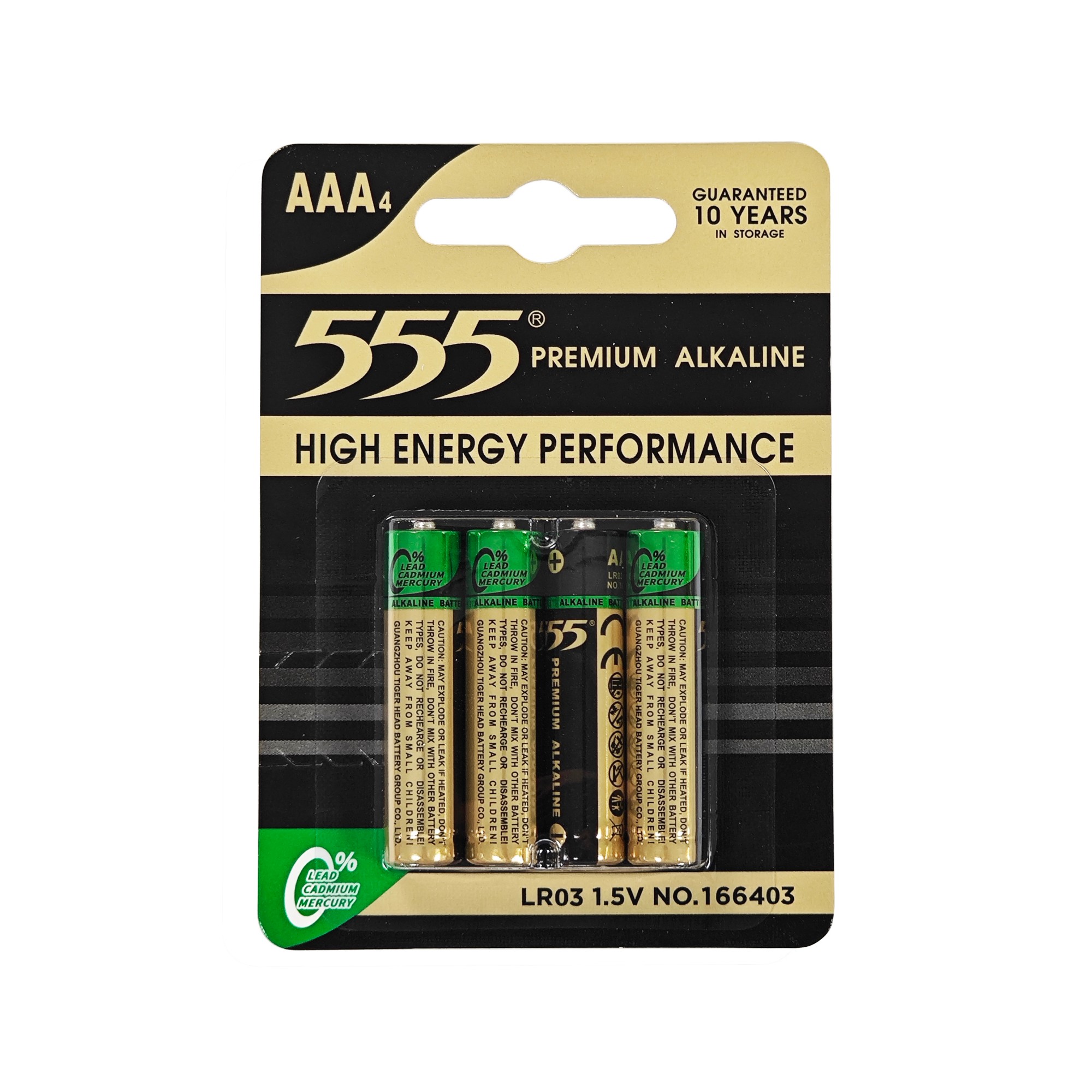
555 AAA LR03 AM4 1.5V...
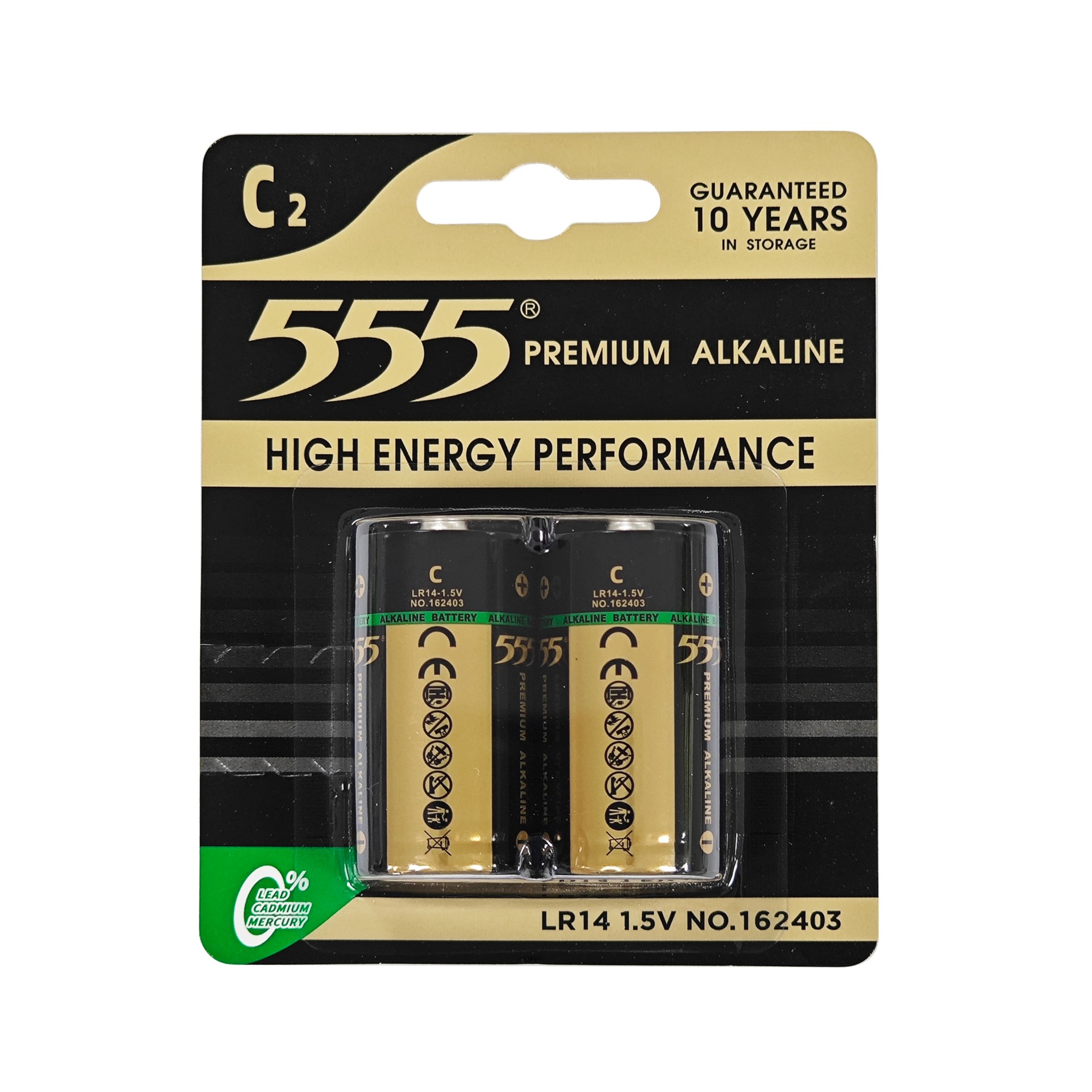
555 C size LR14 AM2 1...
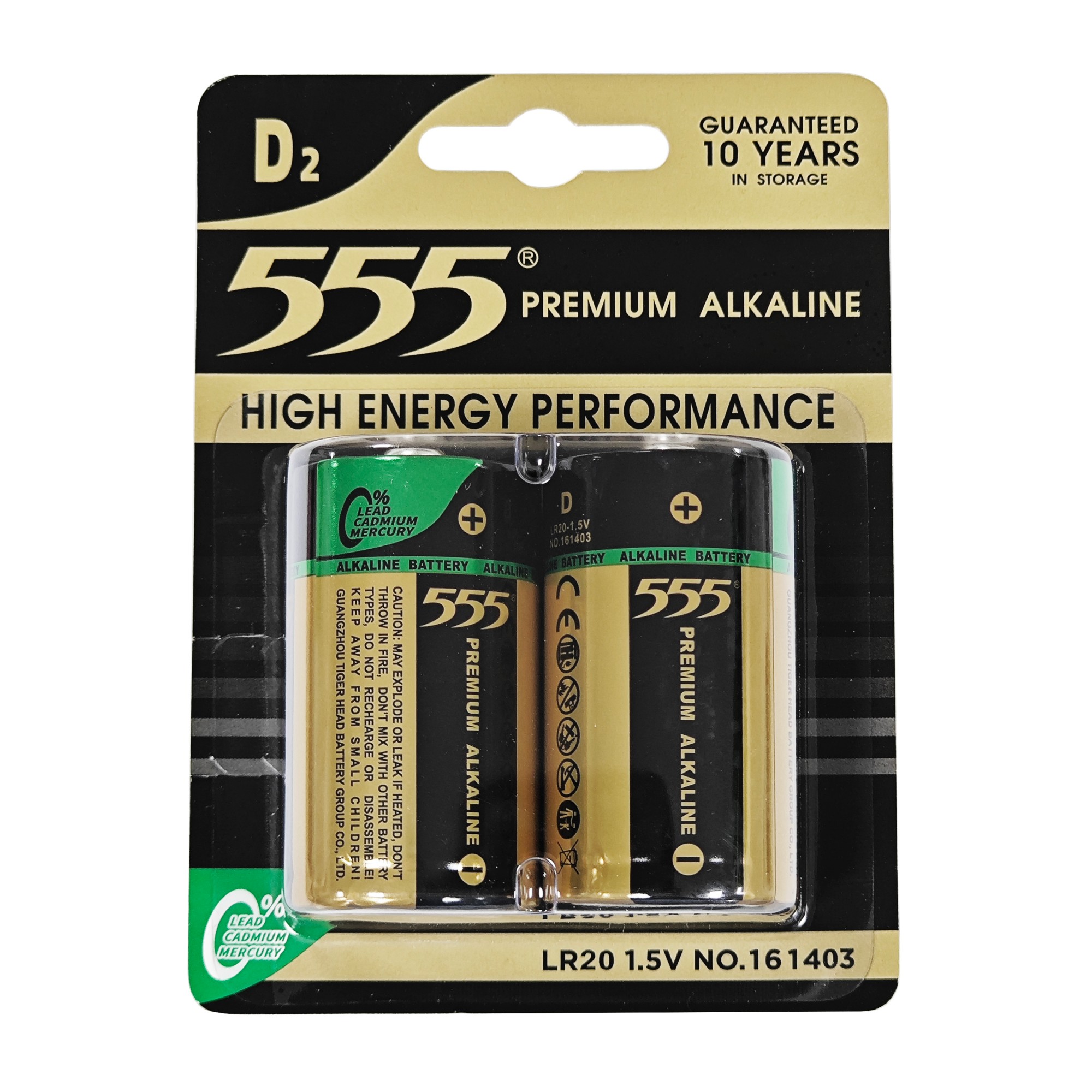
555 D size LR20 AM1 1...
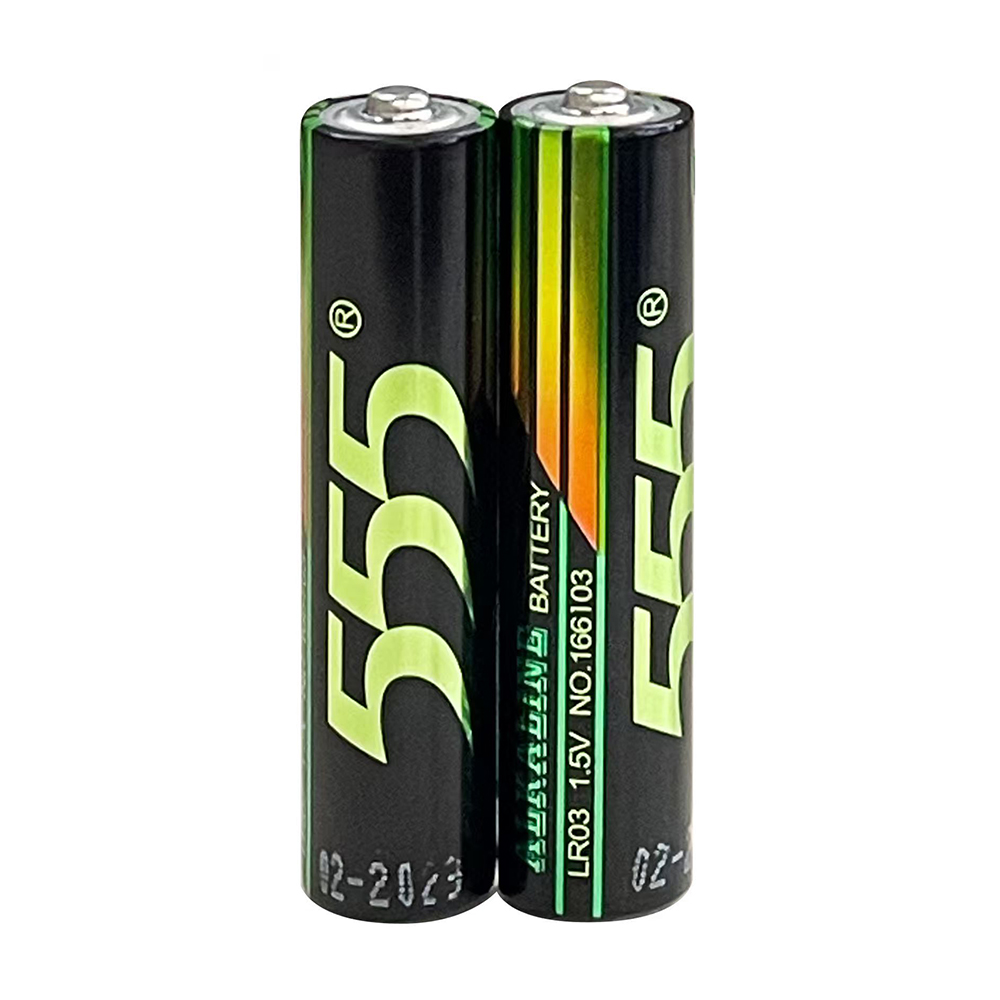
555 LR03 AAA AM4 1.5V...

AA LR6 ALKALINE BATTE...
High Capacity Good Property

D SIZE LR20 ALKALINE ...
High Capacity Good Property

C SIZE LR14 ALKALINE ...
High Capacity Good Property

AAA LR03 ALKALINE BAT...
High Capacity Good Property

9V ALKALINE BATTERIES
High Capacity Good Property

D SIZE LR20 ALKALINE ...
High Capacity Good Property

C SIZE LR14 ALKALINE ...
High Capacity Good Property

AA LR6 ALKALINE BATTE...
High Capacity Good Property

AAA LR03 ALKALINE BAT...
High Capacity Good Property

9V ALKALINE BATTERIES
High Capacity Good Property

23A ALKALINE BATTERIES
High Capacity Good Property

HW BRAND ALKALINE BAT...

HW BRAND ALKALINE BAT...

HW BRAND ALKALINE BAT...

HW BRAND ALKALINE BAT...

HW BRAND ALKALINE BAT...

HW BRAND ALKALINE BAT...

